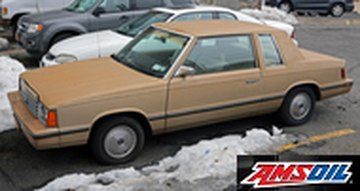
Maintaining Lubrication Standards for the 1982 Dodge ARIES 2.6L
Proper engine maintenance is a cornerstone of long-term vehicle health, particularly when managing an engine that has been in operation for several decades. For the 1982 Dodge ARIES equipped with the 2.6L engine, consistent attention to lubrication and routine inspections can help ensure the mechanical components continue to operate as intended.Monitoring Fluid Integrity and Potential Leaks
One of the most effective ways to monitor the health of a vehicle's lubrication system is through regular visual inspections. Over time, various seals and gaskets may undergo changes due to heat cycles and age. It is useful to periodically inspect the area around the engine for any signs of fluid seepage or active leakage. When performing these checks, look for wetness or dark staining on engine surfaces. If you notice a change in the amount of oil required between service intervals, it warrants further investigation. It is important to remember that various symptoms, such as an odor of burning oil, can have multiple causes; for instance, oil contacting a hot external component might be the source rather than an internal mechanical issue. Always approach unexpected changes in fluid levels or appearance with a systematic inspection approach to identify the actual source.Practical Inspection of Engine Bay Components
Beyond looking for leaks, a comprehensive maintenance routine involves inspecting other parts of the engine compartment that may affect overall operation. If equipped, accessible drive belts should be examined for signs of wear, such as cracking, glazing, or fraying. Similarly, if the vehicle is equipped with various hoses, checking them for brittleness or soft spots can prevent unexpected failures. Maintaining a clean engine bay also assists in effective monitoring. Accumulated grime and debris can sometimes mask small leaks or make it difficult to identify the origin of a fluid issue. By keeping the area relatively clean, you improve your ability to spot early warning signs that might otherwise be hidden by road grime or old oil residue.Managing Maintenance Records for Long-Term Ownership
For owners of an older vehicle like the 1982 Dodge ARIES, establishing and maintaining a clear service history is highly beneficial. If you have recently acquired the vehicle and do not have access to previous records, your first priority should be establishing a maintenance baseline. This involves performing a thorough inspection of all fluids and components to determine their current condition. Keeping detailed logs of when oil was changed, which products were used, and any repairs that were performed provides several advantages:- It helps identify patterns in fluid consumption or component wear.
- It assists in distinguishing between routine preventive maintenance and necessary repairs.
- It provides a clear history of the vehicle's care, which is valuable for informed decision-making regarding future service.
Prioritizing Service Based on Current Condition
As vehicles age, maintenance strategies often shift from strictly following a calendar to focusing on the actual condition of the mechanical components. Rather than assuming parts must be replaced simply because of the vehicle's age, it is more effective to use the current state of the engine and its accessories to guide your priorities. If you observe changes in how the engine sounds or notice any new vibrations, these should be investigated promptly. Similarly, monitoring the condition of electrical connections and ensuring they are clean and secure can prevent various operational inconsistencies. By prioritizing tasks based on observed evidence—such as a degrading belt or a slow-forming seep—you can manage maintenance costs more effectively while maintaining the vehicle's functional integrity.Understanding Lubricant Properties in Aging Engines
When managing an older engine, the type of lubricant used can be a point of consideration. While modern formulations offer various benefits, it is important to select products that align with the specific needs of your application. Some high-mileage oil formulations contain additives intended for use in aging engines, and some of these formulations include seal-conditioning additives. These are designed to help maintain the integrity of older seals, though they are not a substitute for addressing significant mechanical leaks. Whether you choose a conventional oil, a synthetic blend, or a full synthetic lubricant, the primary goal is to ensure the fluid provides adequate protection against oxidation and maintains its stability under the operating temperatures experienced by your 2.6L engine. Always prioritize the quality and certification of the product to ensure it meets modern performance standards.Practical Advice for Buying Engine Oil for your 1982 Dodge ARIES 2.6L
When you are ready to replenish your engine's lubricant, the most important step is to match the oil to the application-specific viscosity information already displayed on this page. Because different engines have specific requirements for how the oil flows and protects internal components, you should never guess or use a grade based solely on the vehicle's age or general automotive knowledge. Before making a purchase, follow these steps:- Verify that the product matches the viscosity listed in the application information provided above.
- Check the product label to ensure it meets the appropriate API service certifications.
- Consider whether a high-mileage formulation is appropriate for your specific engine's condition if you are noticing increased fluid consumption or minor seepage.
- Always confirm that the container you are purchasing aligns with the technical specifications required for this 1982 Dodge ARIES 2.6L.